


Description
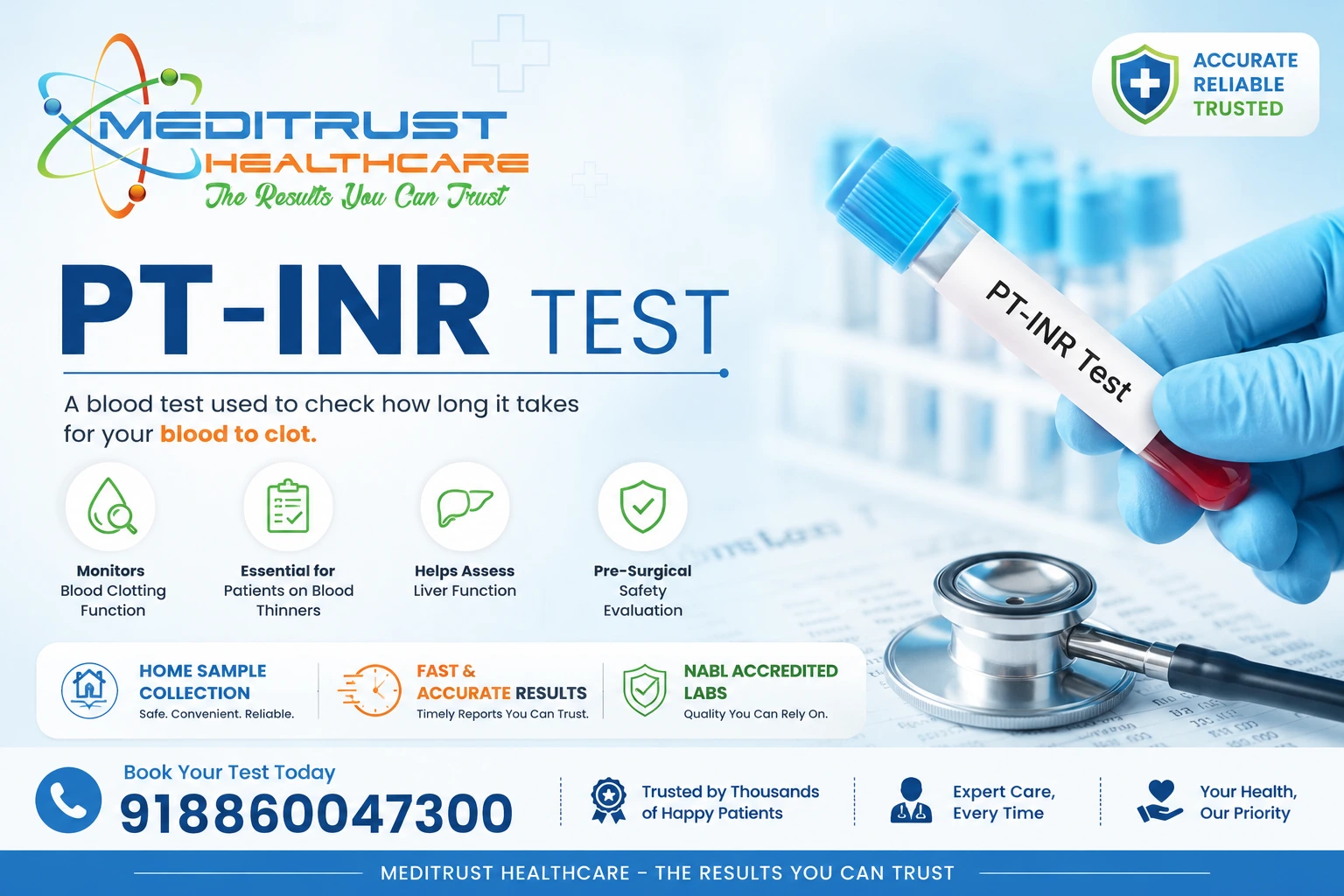
The Prothrombin Time (PT-INR) Test is a commonly performed blood test used to evaluate how long it takes blood to clot. It plays a critical role in diagnosing bleeding disorders, monitoring anticoagulant therapy, and assessing liver function.
The test includes two important measurements:
1. Prothrombin Time (PT)
Prothrombin Time measures the number of seconds required for blood plasma to clot after adding specific reagents in the laboratory.
2. International Normalized Ratio (INR)
INR is a standardized calculation derived from the PT result. Since different laboratories may use different testing methods, INR ensures consistency and accuracy worldwide.
The PT-INR test is particularly important for patients taking blood-thinning medications such as Warfarin. Doctors use INR values to determine whether the medication dosage is safe and effective.
Preparations Before Prothrombin Time (PT INR) Test
The PT-INR test usually requires minimal preparation. However, certain precautions help ensure accurate results.
Inform Your Doctor About Medications
Many medicines can affect clotting time. Inform your healthcare provider if you are taking:
- Blood thinners
- Antibiotics
- Aspirin
- Painkillers
- Herbal supplements
- Vitamin K supplements
These medications may influence PT or INR values.
Dietary Considerations
Foods rich in vitamin K can affect INR levels. Common vitamin K-rich foods include:
- Spinach
- Broccoli
- Kale
- Green leafy vegetables
Patients on anticoagulant therapy should maintain a consistent vitamin K intake instead of making sudden dietary changes.
Alcohol Consumption
Excessive alcohol intake may alter liver function and clotting ability. Patients are generally advised to avoid alcohol before testing if recommended by the physician.
Fasting Requirements
In most cases, fasting is not required for a PT-INR test unless combined with other blood investigations.
Medical History Disclosure
Inform the doctor about:
- Liver disease
- Bleeding disorders
- Recent surgeries
- Pregnancy
- History of blood clots
This information helps in proper interpretation of test results.
What to Expect During the Procedure?
The PT-INR test is a quick and simple laboratory procedure.
Step-by-Step Procedure
Registration and Preparation
The patient is registered at the diagnostic center, and a healthcare professional reviews medical details.
Blood Sample Collection
A trained phlebotomist cleans the skin with antiseptic and inserts a sterile needle into a vein, usually in the arm.
Sample Handling
The collected blood is transferred into a special test tube containing anticoagulant chemicals to preserve the sample.
Laboratory Analysis
The blood sample is processed in the laboratory using specialized equipment to measure clotting time and calculate INR.
Duration of the Test
- Blood collection usually takes less than 5 minutes.
- Results may be available within a few hours or on the same day.
Possible Mild Side Effects
Some individuals may experience:
- Minor bruising
- Slight discomfort
- Mild bleeding at the needle site
- Temporary dizziness
These effects generally resolve quickly.
Why Doctors Prescribe Prothrombin Time INR Test
Doctors recommend PT-INR testing for several important medical reasons.
Monitoring Anticoagulant Therapy
Patients taking blood-thinning medicines require regular PT-INR monitoring to avoid:
- Excessive bleeding
- Dangerous blood clot formation
Maintaining INR within the therapeutic range is essential for safe treatment.
Diagnosing Bleeding Disorders
The test helps detect clotting abnormalities caused by:
- Hemophilia
- Vitamin K deficiency
- Coagulation factor deficiencies
Assessing Liver Function
The liver produces clotting factors necessary for normal blood coagulation. Liver diseases may prolong PT and increase INR values.
Conditions include:
- Cirrhosis
- Hepatitis
- Liver failure
Pre-Surgical Evaluation
Doctors often order PT-INR tests before surgeries or invasive procedures to evaluate bleeding risk.
Detecting Clotting Disorders
The test assists in identifying abnormal clotting conditions such as:
- Deep vein thrombosis (DVT)
- Pulmonary embolism
- Disseminated intravascular coagulation (DIC)
Factors that Cause Abnormal PT/INR Levels
Several medical and lifestyle factors may influence PT-INR results.
Causes of High PT/INR Levels
A prolonged PT or elevated INR indicates slower blood clotting and increased bleeding risk.
Common Causes
Excess Anticoagulant Medication
Overdose of medications like Warfarin may significantly increase INR.
Liver Disease
Damaged liver function reduces production of clotting proteins.
Vitamin K Deficiency
Insufficient vitamin K impairs clotting factor synthesis.
Severe Infections
Certain infections and systemic illnesses can interfere with clotting mechanisms.
Bleeding Disorders
Inherited or acquired coagulation disorders may prolong clotting time.
Causes of Low PT/INR Levels
A low INR may indicate faster clotting and increased risk of thrombosis.
Common Causes
- Inadequate anticoagulant dosage
- High vitamin K intake
- Hormonal medications
- Certain supplements
- Dehydration
Understanding the Test Results
PT-INR values must always be interpreted by a qualified healthcare professional because normal ranges vary depending on medical conditions and treatment goals.
Normal PT Range
Typical PT values:
- Approximately 11–13.5 seconds
Normal INR Range
For healthy individuals:
- INR: 0.8–1.1
Therapeutic INR Range
For patients on blood thinners:
- Standard therapeutic range: 2.0–3.0
- Mechanical heart valves: 2.5–3.5
Interpretation of High INR
A significantly elevated INR increases the risk of:
- Internal bleeding
- Nosebleeds
- Gastrointestinal bleeding
- Brain hemorrhage
Doctors may adjust medication dosage immediately if INR becomes dangerously high.
Interpretation of Low INR
A low INR may increase the risk of:
- Blood clots
- Stroke
- Pulmonary embolism
- Deep vein thrombosis
Prothrombin Time INR Test Results During Special Conditions
PT-INR interpretation becomes especially important in certain medical conditions.
During Pregnancy
Pregnancy naturally affects clotting mechanisms. Some pregnant women may require PT-INR monitoring if they have:
- Clotting disorders
- Heart valve disease
- High-risk pregnancies
- Anticoagulant therapy
In Liver Disease Patients
Patients with severe liver disease often show prolonged PT and elevated INR because the liver cannot produce sufficient clotting factors.
During Anticoagulant Therapy
Frequent INR monitoring is essential for patients taking anticoagulants to maintain safe medication levels.
Before Surgery
Surgeons evaluate PT-INR levels carefully before operations to minimize bleeding complications.
In Critically Ill Patients
Serious infections, trauma, or intensive care conditions can significantly alter clotting parameters, requiring close monitoring.
Conclusion
The Prothrombin Time INR Test is an essential diagnostic tool for evaluating blood clotting function, monitoring anticoagulant therapy, and assessing liver health. Accurate PT-INR testing helps doctors prevent serious complications such as uncontrolled bleeding or dangerous blood clots.
Regular monitoring, proper medication management, and professional interpretation of results are crucial for maintaining patient safety and effective treatment outcomes.




Reviews
There are no reviews yet.